Introduction
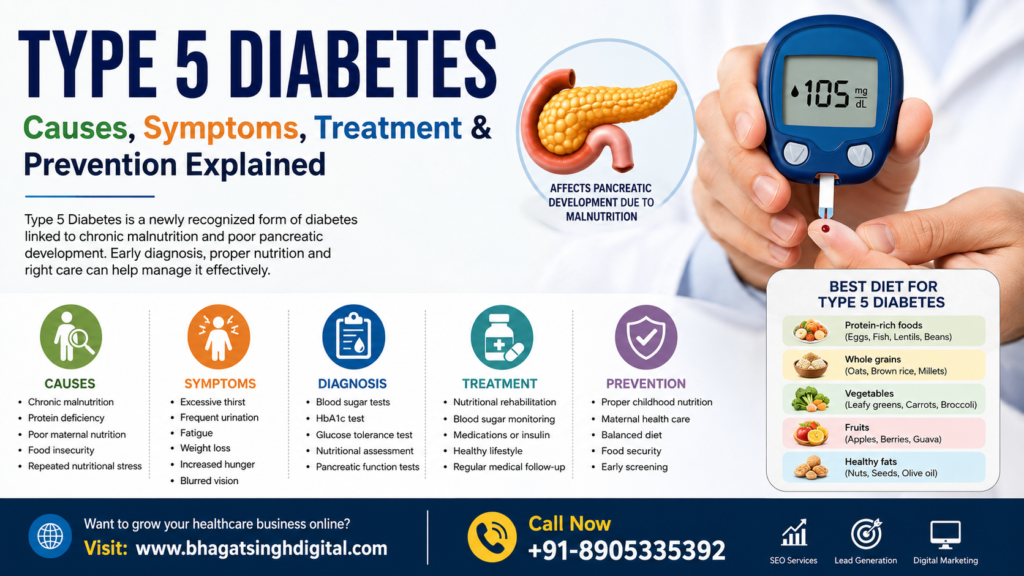
When most people hear the word diabetes, they immediately think of Type 1 Diabetes or Type 2 Diabetes. However, medical researchers have recently drawn attention to another condition known as Type 5 Diabetes. This form of diabetes is different from the commonly known types because it is primarily associated with long-term undernutrition and poor pancreatic development rather than obesity or autoimmune disorders.
The recognition of Type 5 Diabetes is helping healthcare professionals better understand why some underweight individuals develop diabetes despite not having the typical risk factors associated with Type 2 Diabetes.
In this article, you’ll learn what Type 5 Diabetes is, what causes it, its symptoms, diagnosis methods, treatment options, prevention strategies, and answers to common questions.
What Is Type 5 Diabetes?
Type 5 Diabetes refers to a diabetes condition linked to severe malnutrition, particularly during childhood and adolescence. Researchers believe that inadequate nutrition during important growth periods can affect the pancreas, reducing its ability to produce enough insulin later in life.
Unlike Type 2 Diabetes, which is commonly linked to excess weight and insulin resistance,this condition often affects individuals who are underweight and have experienced prolonged nutritional deficiencies.
This condition has been observed in many developing regions where food insecurity remains a major concern.
Why Is Type 5 Diabetes Gaining Attention?
For decades, many individuals suffering from malnutrition-related diabetes were often classified incorrectly under other diabetes categories. As medical knowledge has advanced, researchers recognized that this group of patients has unique characteristics requiring different treatment approaches.
The growing awareness of this newly recognized form of diabetes helps healthcare providers:
- Improve diagnosis accuracy
- Develop more effective treatment plans
- Address nutritional deficiencies
- Reduce diabetes-related complications
- Increase public health awareness
Causes of Type 5 Diabetes
Several factors may contribute to the development of malnutrition-related diabetes.
Chronic Malnutrition
Long-term nutritional deprivation can interfere with normal pancreatic growth and function. When the pancreas does not develop properly, insulin production may be permanently reduced.
Protein Deficiency
Proteins play a critical role in tissue and organ development. Severe protein deficiency during childhood can affect insulin-producing cells.
Poor Maternal Nutrition
A mother’s nutritional status during pregnancy directly influences fetal growth. Inadequate nutrition can increase the risk of metabolic disorders later in life.
Childhood Food Insecurity
Children who grow up with limited access to balanced meals may face developmental challenges that affect glucose metabolism.
Repeated Nutritional Stress
Extended periods of hunger and nutrient deficiency can place stress on the body’s metabolic systems.
Understanding How Type 5 Diabetes Develops
The pancreas contains specialized cells responsible for producing insulin. During childhood and adolescence, proper nutrition is essential for healthy organ development.
When severe nutritional deficiencies occur:
- Pancreatic growth may be restricted.
- Insulin production capacity may decline.
- Blood sugar regulation becomes impaired.
- Diabetes symptoms gradually develop.
This process differs significantly from Type 1 and Type 2 Diabetes.
Type 5 Diabetes vs Other Types of Diabetes
| Characteristic | Type 1 Diabetes | Type 2 Diabetes | Type 5 Diabetes |
| Main Cause | Autoimmune damage | Insulin resistance | Malnutrition-related pancreatic dysfunction |
| Typical Body Weight | Normal | Overweight or obese | Underweight |
| Age Group | Children and young adults | Adults | Young adults and adults |
| Insulin Production | Very low | Initially adequate | Reduced |
| Nutritional History | Usually unrelated | Often linked to lifestyle | Strongly linked to undernutrition |
Symptoms of Type 5 Diabetes
Many symptoms resemble other forms of diabetes.
Common Warning Signs
- Constant thirst
- Frequent urination
- Persistent tiredness
- Unexplained weight loss
- Increased appetite
- Blurred vision
- Difficulty concentrating
- Muscle weakness
- Slow healing cuts and wounds
- Frequent infections
The symptoms often appear gradually, making early diagnosis challenging.
Risk Factors for Type 5 Diabetes
Certain factors may increase the likelihood of developing this condition.
Major Risk Factors
- Childhood malnutrition
- Low birth weight
- Long-term nutrient deficiencies
- Poverty and food insecurity
- Inadequate healthcare access
- Poor maternal nutrition during pregnancy
- Limited protein intake during growth years
Understanding these risk factors can help support early intervention efforts.
How Doctors Diagnose Type 5 Diabetes
Diagnosing the disorder involves more than checking blood sugar levels. Healthcare providers often consider nutritional history and physical development.
Diagnostic Tests
Fasting Blood Glucose Test
Measures blood sugar levels after fasting.
HbA1c Test
Shows average blood sugar levels over approximately three months.
Oral Glucose Tolerance Test
Evaluates how effectively the body processes glucose.
Nutritional Assessment
Doctors examine growth patterns, weight history, and nutritional status.
Insulin Production Evaluation
Additional tests may be used to determine how much insulin the pancreas produces.
Treatment for Type 5 Diabetes
Managing this metabolic condition requires addressing both blood sugar control and nutritional deficiencies.
Nutritional Improvement
One of the most important treatment goals is restoring proper nutrition.
Recommended nutrients include:
- High-quality protein
- Complex carbohydrates
- Essential vitamins
- Healthy fats
- Minerals such as zinc and magnesium
Blood Sugar Monitoring
Regular monitoring helps individuals understand how food, activity, and treatment affect glucose levels.
Medication
Some patients may benefit from:
- Oral diabetes medications
- Insulin therapy
- Individualized treatment plans prescribed by healthcare professionals
Physical Activity
Moderate exercise can improve glucose control and overall health.
Ongoing Medical Care
Regular checkups allow healthcare providers to monitor progress and adjust treatment when necessary.
Best Foods for Type 5 Diabetes
A nutrient-dense eating plan supports both metabolic health and recovery from nutritional deficiencies.
Protein-Rich Foods
- Eggs
- Fish
- Chicken
- Lentils
- Chickpeas
- Paneer
- Greek yogurt
Healthy Carbohydrates
- Oats
- Brown rice
- Whole wheat products
- Millets
- Quinoa
Nutritious Vegetables
- Spinach
- Broccoli
- Carrots
- Cucumber
- Bell peppers
Healthy Fats
- Almonds
- Walnuts
- Flaxseeds
- Chia seeds
- Olive oil
Fruits in Moderation
- Apples
- Pears
- Guava
- Oranges
- Berries
Foods to Limit
People with this rare form of diabetes should minimize excessive consumption of:
- Sugary beverages
- Refined sugar products
- Packaged snacks
- White bread
- Highly processed foods
- Sweet desserts
Reducing these foods may help maintain healthier blood sugar levels.
Can Type 5 Diabetes Be Prevented?
Although not every case is preventable, several strategies may lower risk.
Improve Maternal Nutrition
Healthy pregnancies contribute to better long-term health outcomes for children.
Support Childhood Nutrition
Adequate calories, protein, and micronutrients are essential for healthy growth.
Promote Food Security
Access to nutritious foods can significantly reduce malnutrition-related health problems.
Early Screening Programs
Identifying high-risk individuals allows healthcare providers to intervene sooner.
Potential Complications
Without proper management, the disease may contribute to serious health problems.
Possible Complications Include
- Cardiovascular disease
- Kidney damage
- Eye disorders
- Nerve damage
- Increased infection risk
- Delayed wound healing
Early treatment greatly improves long-term outcomes.
Living Well with Type 5 Diabetes
Managing the condition successfully involves consistent healthy habits.
Practical Tips
- Follow your healthcare provider’s recommendations.
- Eat balanced meals regularly.
- Monitor blood glucose as advised.
- Stay physically active.
- Avoid smoking and excessive alcohol consumption.
- Attend routine medical appointments.
Small lifestyle improvements can make a significant difference over time.
The Future of Type 5 Diabetes Research
Researchers continue investigating:
- How malnutrition affects pancreatic development
- The true global prevalence of Type 5 Diabetes
- Improved diagnostic methods
- More effective treatment approaches
- Long-term prevention strategies
As scientific understanding expands, healthcare systems will be better equipped to support affected individuals.
Conclusion
Type 5 Diabetes is an emerging form of diabetes strongly associated with long-term malnutrition and impaired pancreatic development. Unlike Type 1 Diabetes and Type 2 Diabetes, it often affects individuals who are underweight and have experienced significant nutritional challenges during childhood.
Awareness, early diagnosis, proper nutrition, regular monitoring, and appropriate medical care are essential for managing this condition effectively. By understanding the unique nature of Type 5 Diabetes, individuals and healthcare professionals can work together to improve health outcomes and quality of life.
Grow Your Healthcare Business Online
Want your healthcare website to rank higher on Google and attract more patients?
Visit www.health.bhagatsinghdigital.com
📞 Call Now: +91-8905335392
Get professional SEO, content marketing, website optimization, and digital marketing solutions tailored for healthcare businesses.
Frequently Asked Questions (FAQs)
What is Type 5 Diabetes?
Type 5 Diabetes is a form of diabetes linked to chronic undernutrition and reduced pancreatic insulin production.
Is Type 5 Diabetes different from Type 2 Diabetes?
Yes. Type 2 Diabetes is commonly associated with insulin resistance and obesity, while Type 5 Diabetes is associated with malnutrition.
Who is most likely to develop Type 5 Diabetes?
People with a history of severe childhood malnutrition or long-term nutritional deficiencies may be at higher risk.
What are the early signs of Type 5 Diabetes?
Common signs include thirst, fatigue, frequent urination, weight loss, and increased hunger.
Can Type 5 Diabetes be treated?
Yes. Treatment may include nutritional rehabilitation, blood sugar management, medications, and ongoing medical supervision.
Does Type 5 Diabetes require insulin?
Some individuals may require insulin therapy, while others may respond to different treatment approaches depending on their condition.
Can proper nutrition reduce the risk?
Good maternal and childhood nutrition may help lower the risk of developing Type 5 Diabetes.
Is Type 5 Diabetes common?
Researchers believe millions of people worldwide may be affected, particularly in regions where malnutrition remains prevalent.
What foods are best for Type 5 Diabetes?
Protein-rich foods, whole grains, vegetables, healthy fats, and nutrient-dense meals are generally recommended.
Why is awareness about Type 5 Diabetes important?
Greater awareness improves diagnosis, treatment, prevention efforts, and overall healthcare outcomes.