Diabetic Shoes: Why They Are Essential for People Living with Diabetes
Living with diabetes requires careful attention to many aspects of health, but one area that is often overlooked is foot care. High blood sugar levels can affect circulation and nerve function, making the feet more vulnerable to injuries, infections, and ulcers. This is where diabetic shoes play a crucial role.
Diabetic foot protection footwear are specially designed footwear created to reduce pressure on the feet, improve comfort, and minimize the risk of foot-related complications. Whether you have Type 1 or Type 2 diabetes, investing in the right diabetic footwear can significantly improve your quality of life.
In this comprehensive guide, you’ll learn everything about diabetic shoes, their benefits, features, how to choose the right pair, and why they are essential for long-term foot health.
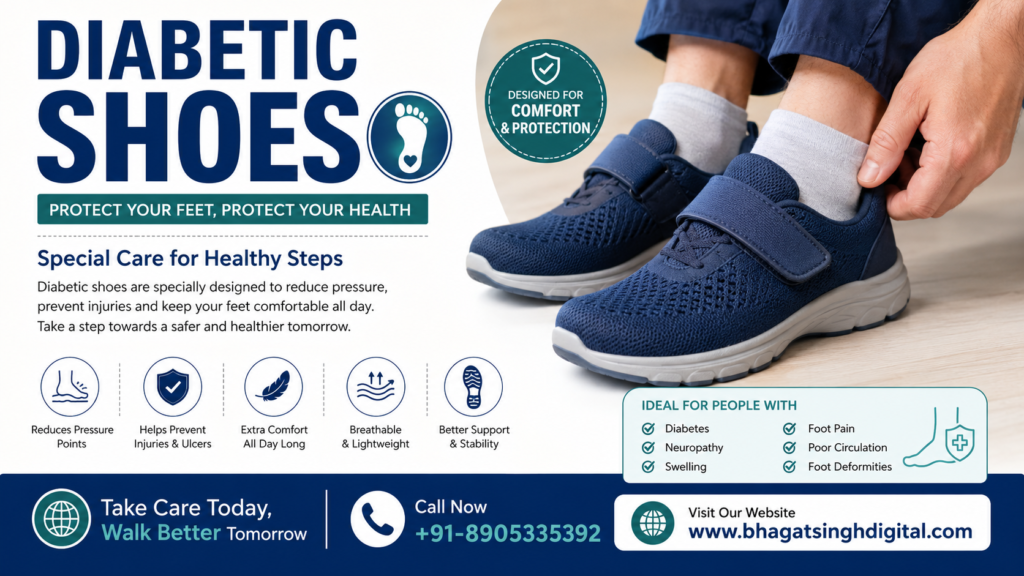
What Are Diabetic Shoes?
Diabetic shoes are medically designed footwear specifically created for individuals with diabetes who are at risk of developing foot problems. These shoes provide extra depth, cushioning, support, and protection to reduce pressure points and prevent injuries.
Unlike regular shoes, diabetic shoes focus on:
- Reducing friction and pressure
- Preventing blisters and sores
- Improving blood circulation
- Providing superior comfort
- Accommodating foot deformities
- Supporting overall foot health
Why Do People with Diabetes Need Special Shoes?
Many people wonder why ordinary shoes aren’t enough. The answer lies in the complications diabetes can cause.
1. Diabetic Neuropathy
Diabetes can damage nerves in the feet, causing numbness and reduced sensation. This condition is known as diabetic neuropathy. A person may not feel cuts, blisters, or injuries until they become severe.
2. Poor Blood Circulation
Reduced blood flow slows the healing process, increasing the risk of infections and ulcers.
3. Foot Deformities
Conditions such as bunions, hammertoes, and swelling are common among diabetic patients.
4. Increased Risk of Ulcers
Foot ulcers are one of the leading causes of hospitalization among diabetic patients. Propermedical shoes for diabetes help reduce this risk significantly.
Key Features of therapeutic footwear
When shopping for diabetic footwear, look for these important features:
Extra Depth Design
Extra-depth shoes provide additional room for custom orthotics and reduce pressure on sensitive areas.
Seamless Interior
Internal seams can rub against the skin and cause irritation. supportive walking shoes feature smooth interiors to minimize friction.
Cushioned Insoles
Soft cushioning helps absorb shock and reduce stress on the feet during walking.
Wide Toe Box
A roomy toe area prevents crowding and reduces pressure on toes.
Non-Slip Soles
Enhanced traction reduces the risk of slips and falls.
Breathable Material
Proper airflow keeps feet dry and minimizes bacterial growth.
Lightweight Construction
Lightweight materials improve mobility and comfort throughout the day.
Benefits of Wearing medical shoes for diabetes
Prevent Foot Ulcers
One of the biggest benefits of diabetic footwear is reducing pressure points that can lead to ulcers.
Improve Comfort
Specialized cushioning provides all-day comfort, especially for people who spend long hours standing or walking.
Enhance Stability
Proper support improves balance and reduces the risk of falls.
Reduce Foot Pain
Diabetic foot protection footwear can help alleviate pain associated with neuropathy, plantar fasciitis, and other foot conditions.
Protect Against Injuries
The protective design helps prevent cuts, blisters, and skin breakdown.
Improve Quality of Life
Healthy feet contribute to better mobility, independence, and overall well-being.
Signs You May Need Diabetic Shoes
Consider shoes for neuropathy if you experience:
- Numbness in your feet
- Tingling or burning sensations
- Frequent foot pain
- Foot swelling
- Calluses or corns
- Previous foot ulcers
- Poor circulation
- Foot deformities
- Difficulty finding comfortable shoes
How to Choose the Best Diabetic Shoes
Get Professionally Measured
Foot size can change over time. Have your feet measured regularly to ensure a proper fit.
Prioritize Comfort
Comfort should always come before style.
Check for Adequate Support
Look for shoes that provide arch support and heel stability.
Consider Orthotic Compatibility
If you wear custom inserts, choose extra-depth protective footwear for diabetes.
Test Before Buying
Walk around and ensure there are no pressure points or discomfort.
Inspect the Interior
Make sure there are no rough seams or areas that could cause friction.
Best Types of Diabetic Shoes
Walking Shoes
Ideal for daily activities and exercise.
Athletic Shoes
Perfect for active individuals who need additional support.
Casual Shoes
Designed for everyday wear while maintaining foot protection.
Dress Shoes
Offer a professional appearance without compromising comfort.
Sandals for Diabetics
Provide breathability while protecting sensitive feet.
Common Mistakes to Avoid When Buying Diabetic Shoes
Choosing Fashion Over Function
Stylish shoes are great, but foot protection should come first.
Buying Shoes That Are Too Tight
Tight footwear can cause pressure sores and circulation problems.
Ignoring Width Measurements
Many diabetic patients require wide or extra-wide shoes.
Not Replacing Worn-Out Shoes
Old shoes lose cushioning and support over time.
Skipping Professional Advice
Consulting a podiatrist can help you find the best footwear for your condition.
Daily Foot Care Tips for Diabetic Patients
Even with diabetic shoes, proper foot care remains essential.
Inspect Your Feet Daily
Check for cuts, redness, swelling, or blisters.
Wash and Dry Thoroughly
Keep feet clean and dry to prevent infections.
Moisturize Carefully
Apply moisturizer but avoid the areas between the toes.
Trim Toenails Properly
Cut straight across to prevent ingrown toenails.
Wear Clean Socks
Choose moisture-wicking diabetic socks whenever possible.
Never Walk Barefoot
Even indoors, always wear protective footwear.
Diabetic Shoes and Exercise
Regular exercise is beneficial for managing diabetes, but proper footwear is critical.
Benefits of wearing diabetic shoes during exercise:
- Reduced impact on joints
- Better foot alignment
- Improved stability
- Lower risk of injuries
- Enhanced comfort during movement
Walking, cycling, and low-impact aerobic exercises become safer when your feet are properly protected.
How Often Should You Replace Diabetic Shoes?
Experts generally recommend replacing diabetes care footwear every 6 to 12 months, depending on wear and usage.
Replace them sooner if you notice:
- Flattened cushioning
- Uneven soles
- Visible damage
- Reduced comfort
- Increased foot pain
The Long-Term Importance of Diabetic Foot Protection
Ignoring foot health can lead to serious complications. Proper medical shoes for diabetes help prevent:
- Foot ulcers
- Infections
- Hospitalizations
- Mobility limitations
- Amputations in severe cases
A small investment in quality diabetic footwear today can help prevent significant health challenges in the future.
Conclusion
Cushioned diabetic footwear are more than just specialized footwear—they are an essential part of diabetes management. By providing superior cushioning, support, and protection, they help reduce the risk of foot complications while improving comfort and mobility.
If you or a loved one has diabetes, choosing the right diabetic shoes can make a remarkable difference in maintaining healthy feet and enjoying an active lifestyle. Combined with regular foot care and diabetes management, diabetic shoes can play a vital role in long-term health and well-being.
Take the Next Step Toward Better Diabetes Care
Want more expert health tips, diabetes management guides, and digital health resources?
🌐 Visit: www.health.bhagatsinghdigital.com
📞 Call Now: +91-8905335392
Get professional guidance and stay informed about the latest diabetes care solutions.
Frequently Asked Questions (FAQs)
1. What are diabetic shoes?
Orthopedic diabetic shoes are specially designed footwear that helps reduce pressure, improve comfort, and prevent foot complications in people with diabetes.
2. Who should wear diabetic shoes?
Anyone with diabetes, especially those experiencing neuropathy, poor circulation, foot pain, or previous foot ulcers, can benefit from comfortable diabetes footwear.
3. Can diabetic shoes prevent foot ulcers?
Yes. Proper diabetic shoes significantly reduce pressure points and friction, lowering the risk of developing foot ulcers.
4. Are diabetic shoes comfortable for everyday use?
Absolutely. They are designed with extra cushioning, support, and breathable materials for all-day comfort.
5. How do I know if diabetic shoes fit correctly?
They should feel comfortable immediately, provide adequate toe room, and not create pressure or rubbing anywhere on the foot.
6. Can diabetic shoes improve circulation?
While they don’t directly increase circulation, they help reduce pressure and support healthy foot function, which can benefit overall foot health.
7. Do diabetic shoes look different from regular shoes?
Modern diabetic shoes come in a variety of stylish designs and often look similar to regular athletic, casual, or dress shoes.
8. Should I wear diabetic shoes indoors?
Yes. Wearing protective footwear indoors helps prevent accidental injuries.
9. How often should diabetic shoes be replaced?
Typically every 6–12 months, depending on wear and tear.
10. Are diabetic shoes worth the investment?
Yes. They can help prevent serious foot complications, improve comfort, and support long-term mobility.